
UK Sets 87% Emissions Cut Target by 2040
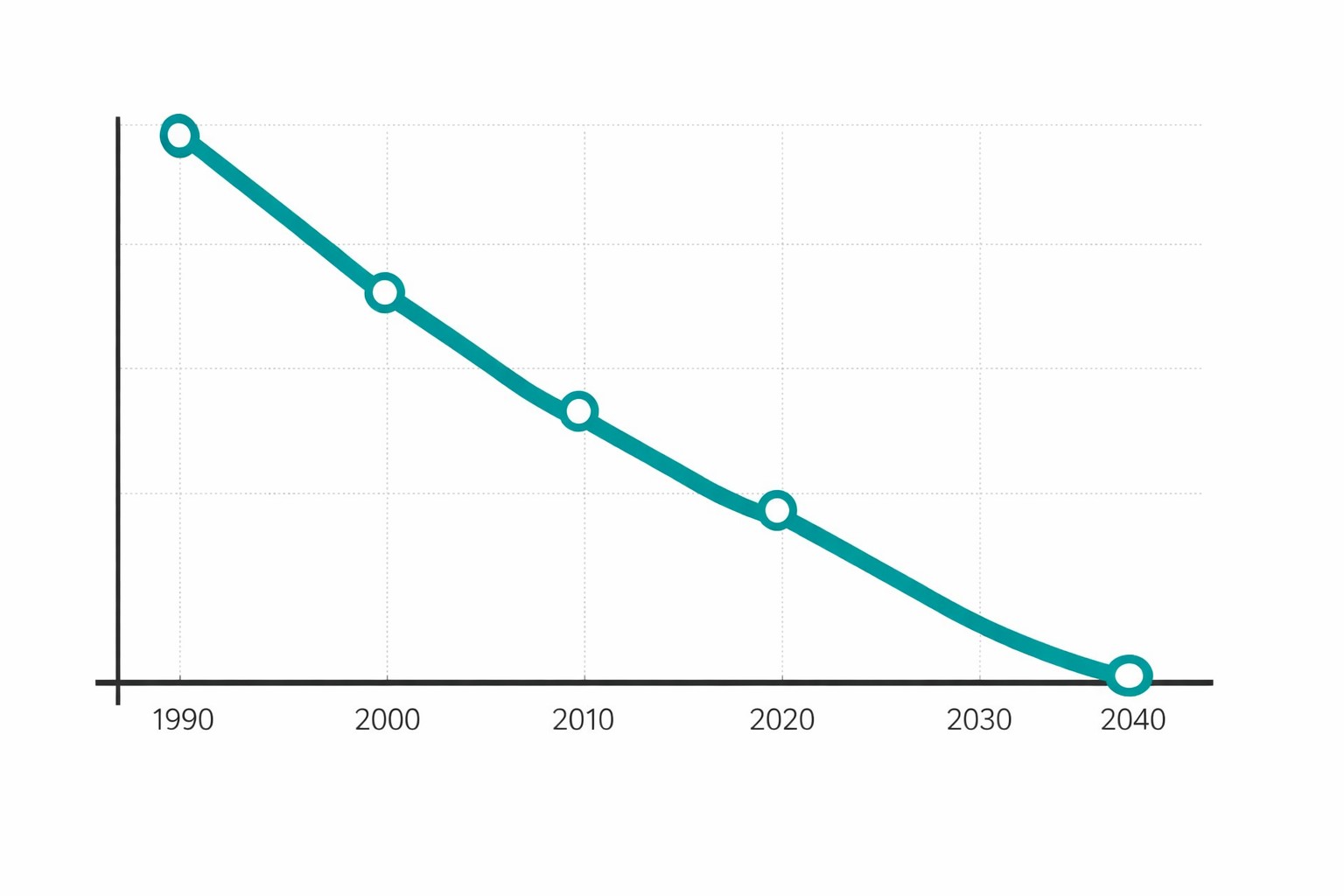
The British government has announced a new interim target requiring an 87 percent reduction in greenhouse gas emissions by 2040 compared with 1990 levels. The move strengthens the legal framework under the Climate Change Act and signals renewed political commitment to the 2050 net-zero goal.
Target Tightens Existing Carbon Budgets
Officials described the 2040 goal as a natural escalation of the sixth carbon budget, which covers the period 2033 to 2037. The new figure bridges the gap between the current 2035 target of 78 percent and the longer-term 2050 commitment. Government modeling shows that annual emissions must fall from roughly 400 million tonnes of CO2 equivalent today to under 80 million tonnes within 16 years.
Ministers say the target will be delivered through accelerated deployment of renewables, widespread electrification of transport and heating, and new incentives for industrial carbon capture. Treasury documents released alongside the announcement allocate additional funding for grid upgrades and green hydrogen projects.
Decades of Policy Evolution Underpin Ambition
Britain first legislated for carbon budgets in 2008, becoming the first major economy to set legally binding five-year limits. Successive governments have met or exceeded the first four budgets, achieving an overall drop of approximately 50 percent since 1990. The latest target reflects advice from the independent Climate Change Committee that earlier milestones needed strengthening to stay within a 1.5°C carbon budget.
Key milestones include the 2019 decision to legislate net zero by 2050 and the 2021 update that raised the 2035 target from 68 percent to 78 percent. The 2040 figure continues this pattern of ratcheting ambition in response to scientific assessments and falling technology costs.
Industry Groups Assess Delivery Risks
Business organizations welcomed the clarity but warned that planning and permitting delays could jeopardize progress. The Confederation of British Industry noted that major infrastructure projects still face multi-year approval timelines that must be shortened. Energy-intensive manufacturers called for faster decisions on carbon capture clusters in the north of England and Scotland.
"An 87 percent reduction by 2040 is achievable if government, industry and consumers move in lockstep, but we cannot afford further slippage on planning reform or supply-chain bottlenecks."
Renewable energy developers highlighted the need for faster grid connections. Current waiting times for new wind and solar projects average four years, a bottleneck that could prevent the required tripling of clean power capacity by the early 2030s.
Transport and Buildings Face Deepest Cuts
The largest remaining emissions sources lie in road transport and domestic heating. The government intends to end sales of new petrol and diesel cars by 2030 and to require heat pumps in most existing homes by the mid-2030s. Local authorities will receive additional powers and funding to enforce energy-efficiency standards in private rented housing.
- Electric vehicle uptake must reach 80 percent of new sales by 2030.
- Heat-pump installations need to scale from 50,000 per year today to more than 600,000 annually by 2035.
- Industrial sites must adopt carbon capture or switch to hydrogen for process heat.
- Agricultural emissions from livestock and fertilizer require a 30 percent cut through dietary shifts and new farming practices.
Analysts estimate the transition will require £50 billion to £70 billion in additional public and private investment each year through the 2030s.
International Partners Watch for Leadership Signal
Britain’s move comes ahead of the next round of nationally determined contributions under the Paris Agreement. European Commission officials described the target as consistent with the EU’s own 2040 proposal of a 90 percent reduction. Several developing-country negotiators said they would press wealthier nations to match the level of ambition with increased climate finance.
China and the United States have both set 2030 targets but have yet to publish detailed 2040 pathways. UK diplomats hope the announcement will encourage other G7 members to table similarly granular mid-century milestones before the 2025 UN climate summit.
Public Backing Remains Strong Despite Cost Concerns
Opinion polls conducted before the announcement showed 68 percent of voters support stronger climate action, though support drops when higher energy bills are mentioned. The government has promised targeted subsidies for low-income households to install heat pumps and insulation, aiming to avoid a repeat of the cost-of-living protests seen in previous winters.
Opposition parties largely welcomed the target while criticizing the lack of detail on how rural communities will access new charging infrastructure and public transport links. Environmental NGOs described the goal as “necessary but not sufficient” and urged ministers to rule out new oil and gas licensing rounds in the North Sea.
Next Milestones Will Test Delivery Credibility
The Climate Change Committee is expected to publish its formal assessment of the 2040 target within weeks. Parliament must then approve the seventh carbon budget covering 2038 to 2042, which will translate the percentage reduction into legally binding tonnage limits. Delivery will be tracked annually through the government’s net-zero strategy updates and the Office for National Statistics emissions inventory.
Failure to meet any carbon budget triggers a legal duty for ministers to explain remedial action. With the next general election due by January 2025, both major parties have signaled they will treat the 2040 target as a baseline rather than a ceiling for future ambition.
Disclaimer: This content is aggregated from verified external sources for global news and information purposes only.